


Over a decade of building, learning and leading
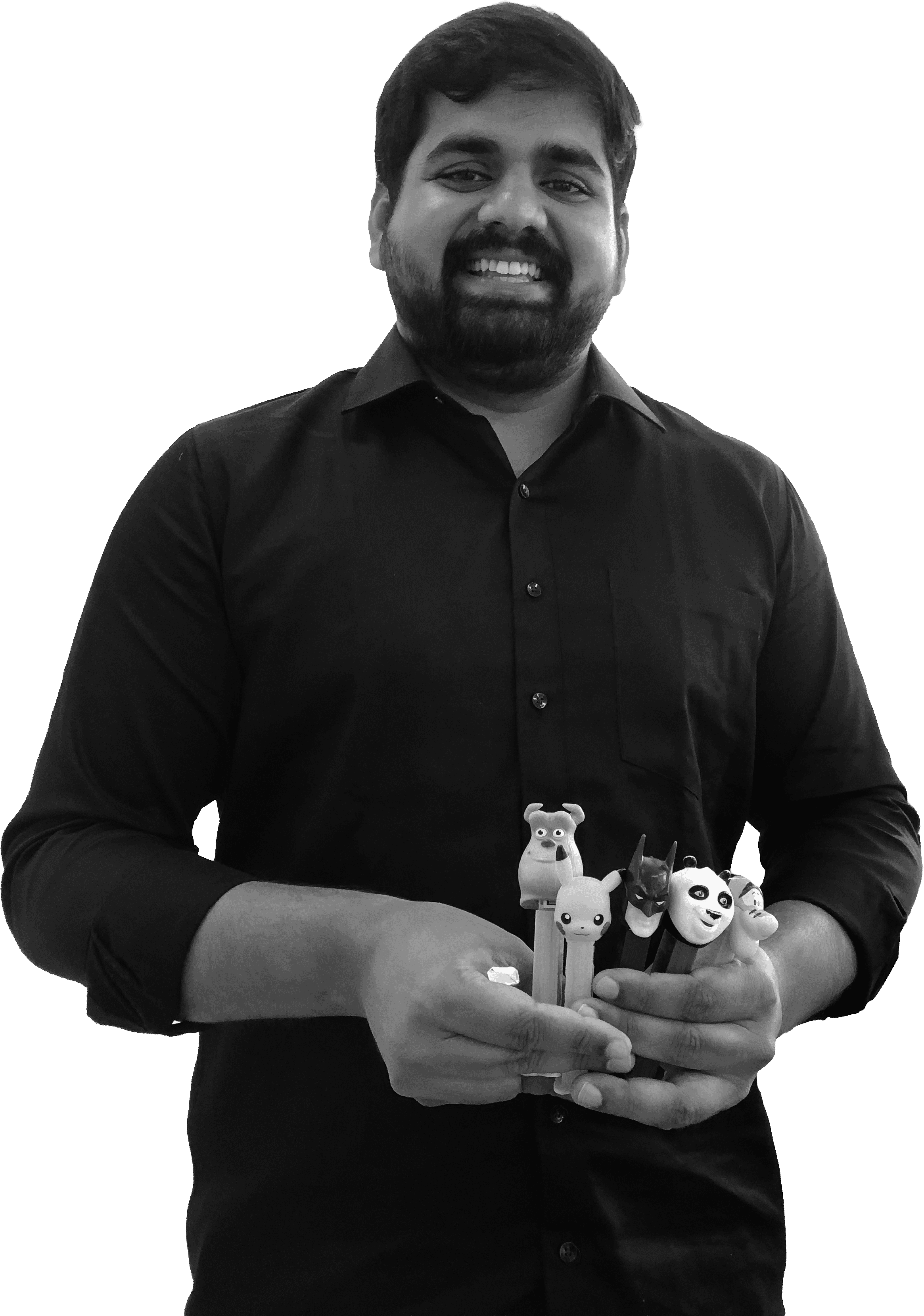
I'm a builder and a learner, currently based in Chicago.
For the love of building, I've spent 10+ years at the intersection of design, product, and engineering—working as a founder, designer, engineer, and leader across SF Bay Area, Chicago and Hyderabad. I hold a Masters in Design from one of the best schools that pioneered design, The Institute of Design, Chicago.
After co-founding companies and leading teams, I went back to school because I have the humility to say "I don't know" and the curiosity to find out. I'm going deeper into my craft discovering design in ways I didn't before and forming my own identity as a builder, maker and thinker.
Where it started
I've been singing Carnatic music since I was 5. Training my voice to hit the same raga hundreds of times, performing with a band, spending years in practice—and I'm still not a master. Probably never will be. But that's the point. Mastery isn't a destination; it's showing up even when you're nowhere close.
At 18, I picked up a camera and fell in love with chasing light. I've waited hours in uncomfortable positions for moments that last seconds. I've taken thousands of shots that went nowhere to capture a handful worth keeping. I keep going back to the same spots—the Golden Gate Bridge, Pfeiffer Beach's keyhole rock, Tunnel View at Yosemite and so many such places across the globe—because the perfect shot is always just one more attempt away.
These pursuits shaped how I approach everything: with patience, curiosity, and the understanding that good things require showing up repeatedly.


HYD
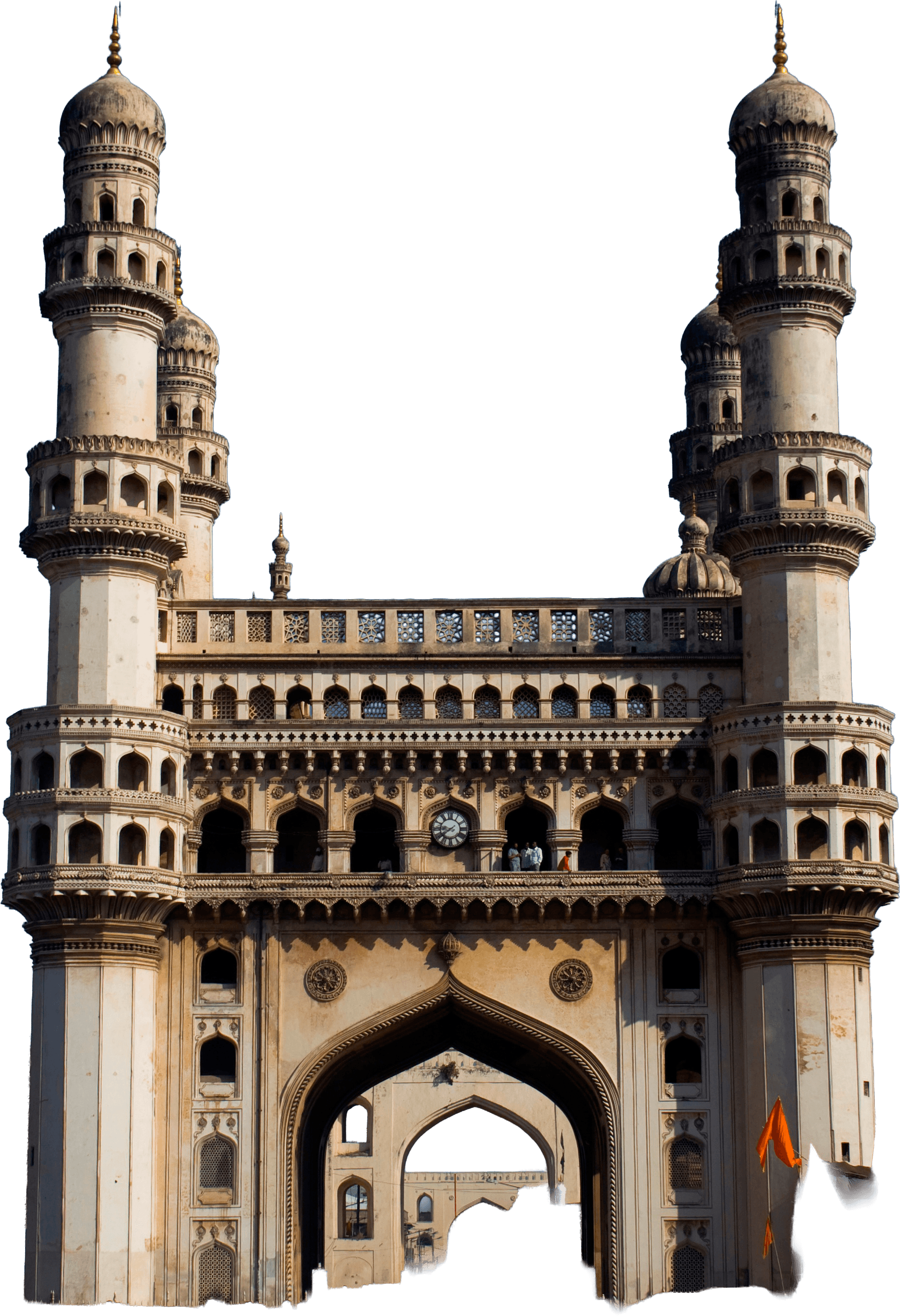
Charminar
Hyderabad, India
SFO

Golden Gate Bridge
San Francisco, USA
CHI

Board of Trade Building
Chicago, USA
What I've built
Over the past decade, I co-founded companies like Infinative and Farmrevv. I learned that bootstrapping isn't romantic—it's hard. The hardest part isn't building the product; it's getting talented people excited about solving unglamorous problems when you don't have a brand name or massive funding behind you. Just belief in the mission and the work itself.
I've led 48+ designers across multiple teams, helped organizations navigate acquisitions and fundraising, and contributed to creating over $5B in value while impacting 1M+ users. I built cultures where people from all backgrounds could do their best work.
But here's what all that really taught me: design isn't about pixels or process. It's about people. Understanding what they need, how they think, and getting everyone aligned around solving the right problems together.
What I bring
I can dive into technical discussions with engineers in the morning, talk business strategy with executives at lunch, and review interaction design with my team in the afternoon. I've learned that the best solutions come from understanding all sides of the problem—not just your own discipline.
I take obsessive ownership. Founders can't just design something and walk away—you have to care whether it ships, whether it works in the real world, whether it creates actual value. That mindset stuck with me.
And I'm comfortable with complexity. Not because I have all the answers, but because I'm comfortable admitting when I don't know something and curious enough to figure it out.
After hours, I explore emerging tech trends, experiment with no-code/low-code tools, and think about the business side of products. I also try to rekindle my Carnatic music practice, train at the gym, photograph nature, and indulge in good food.
What I believe
People first, always
Good design isn't about you—it's about the people using what you create. The best work happens when you genuinely care about the person on the other end, not just the pixels on the screen.
Stay humble, stay curious
The designers I admire most are the ones comfortable saying "I don't know." That's where learning begins. I approach problems by asking questions, listening carefully, and staying genuinely curious about people's needs.
Simplify relentlessly
Adding features is easy. Removing the unnecessary takes discipline and courage. The best solutions are often the simplest ones—not because they're easy to create, but because they're hard to get right.
Iterate without ego
I'm not precious about my designs—I'm precious about solving the right problems. Ship fast, learn from real feedback, improve, repeat. No amount of process will save you if you're not willing to let go and adapt based on what you learn.